
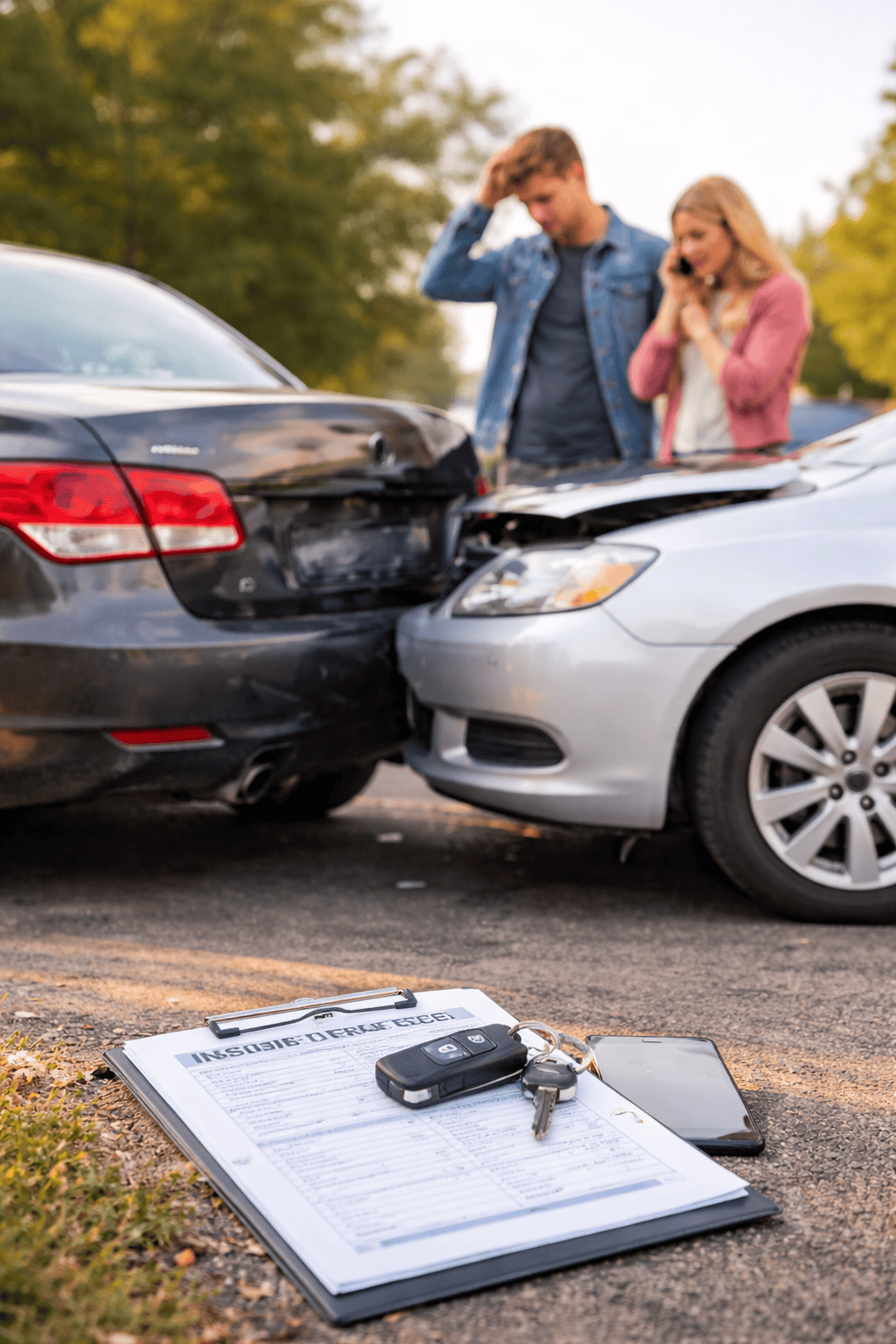
Auto insurance is required for drivers in Tennessee, but many people aren’t sure how much coverage they should actually carry. While the state sets minimum coverage requirements, those minimum limits may not always provide enough protection if a serious accident occurs.
Understanding how auto insurance works can help you choose coverage that protects both your vehicle and your financial future.
Tennessee Minimum Auto Insurance Requirements
Tennessee requires drivers to carry a minimum amount of liability insurance. These limits are commonly written as 25/50/25, which means:
-
$25,000 for injuries per person
-
$50,000 total for injuries per accident
-
$25,000 for property damage
This coverage helps pay for injuries or damages you cause to others if you are at fault in an accident.
While these limits satisfy state law, they may not always be enough in a serious accident.
Why Minimum Coverage May Not Be Enough
Medical bills and vehicle repair costs have increased significantly in recent years. Even a relatively minor accident could exceed the state minimum liability limits.
For example:
-
A new vehicle can easily cost $40,000 or more
-
Emergency medical care can quickly reach tens of thousands of dollars
-
Liability lawsuits can exceed policy limits
If damages exceed your insurance coverage, you could be personally responsible for paying the remaining costs.
Higher Liability Limits Provide Better Protection
Because of these risks, many insurance professionals recommend higher liability limits than the state minimum.
Common coverage levels many drivers choose include:
-
100/300/100
-
250/500/100
These higher limits can provide better financial protection if an accident results in significant injuries or damages.
Other Coverages to Consider
In addition to liability coverage, several other types of protection may be important for Tennessee drivers.
Collision Coverage
Collision coverage helps pay to repair or replace your vehicle if it is damaged in an accident, regardless of who is at fault.
Comprehensive Coverage
Comprehensive coverage protects your vehicle from events other than collisions, such as:
-
Theft
-
Hail damage
-
Vandalism
-
Falling objects
-
Fire
Uninsured Motorist Coverage
Unfortunately, not every driver on the road carries adequate insurance. Uninsured motorist coverage helps protect you if you’re involved in an accident with someone who has little or no insurance.
Every Driver’s Situation Is Different
The right amount of auto insurance depends on many factors, including:
-
Your assets and financial situation
-
The value of your vehicle
-
Whether you have teenage drivers
-
How much risk you’re comfortable with
A quick coverage review can help make sure your policy provides the protection you need.
Have Questions About Your Auto Insurance?
Insurance policies can be confusing, and many drivers are unsure whether their coverage is adequate.
If you’d like to review your policy or have questions about your auto insurance, our agency is always happy to help make sure you have the right protection in place.
